
If you love vibrant, comforting vegetable dishes that sing with fresh, sweet, and tangy flavors, then this Peperonata Recipe is absolutely for you. This traditional Italian stew brings together tender bell peppers, fennel, and onions with rich tomato sauce and a subtle hint of balsamic vinegar, making it a colorful and versatile dish that's easy to prepare yet incredibly satisfying. Whether served warm or at room temperature, peperonata brightens any meal with its satisfying texture and the perfect balance of savory and sweet.
Ingredients You'll Need
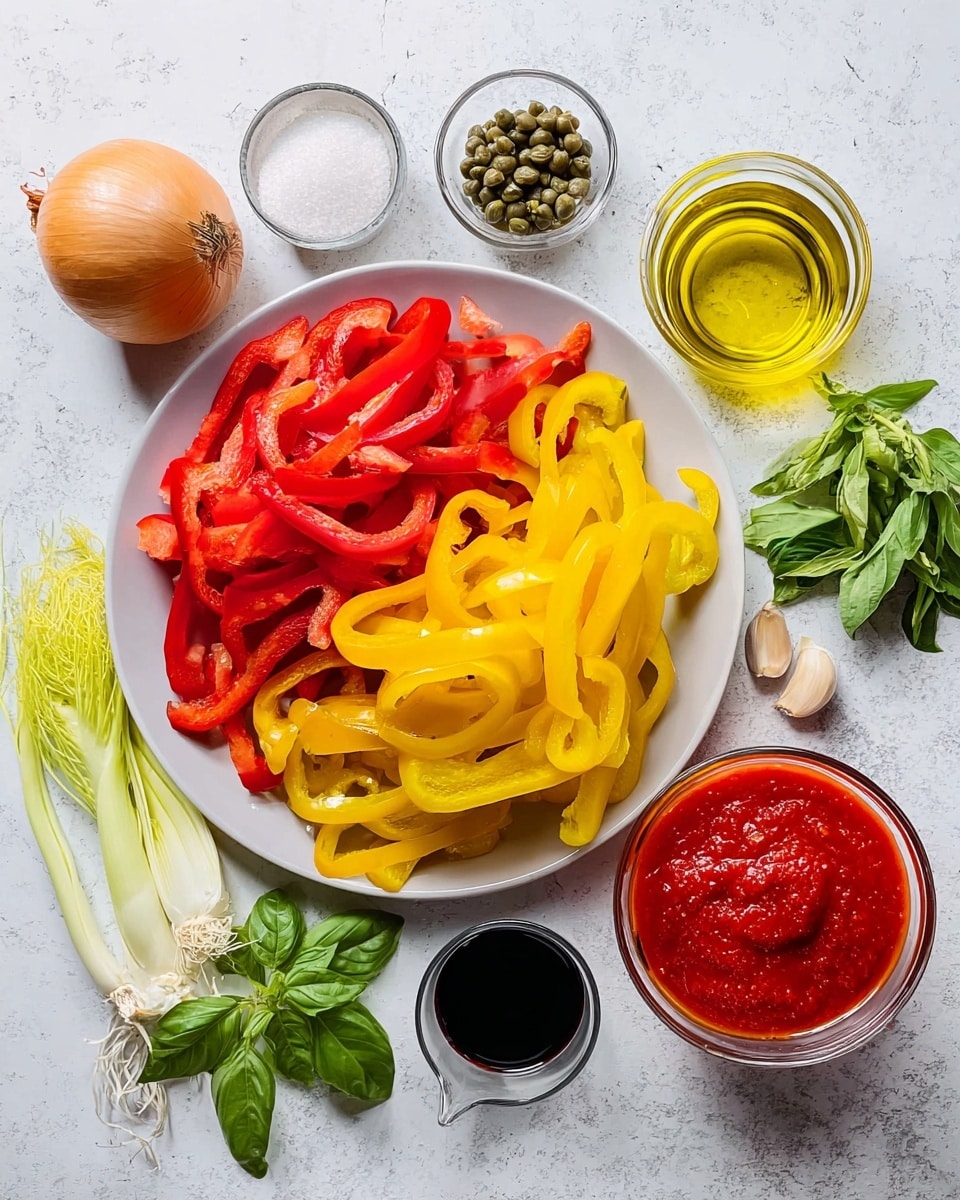
Getting the ingredients right is the key to unlocking the beautiful flavors of this Peperonata Recipe. Each ingredient plays a crucial role: the olive oil adds depth, the peppers provide sweetness and color, while the fresh herbs deliver a fragrant finish. Here's what you'll want on hand:
- Extra virgin olive oil (¼ cup): Use good-quality oil for a rich, silky sauté base that enhances every vegetable.
- Yellow onion (1 medium, thinly sliced): Adds a sweet, savory flavor and soft texture during cooking.
- Fennel bulb (1, quartered and thinly sliced): Brings a subtle anise flavor and crispness that complements the peppers.
- Sweet ripe bell peppers (2 pounds): A mix of red, yellow, and orange peppers creates a gorgeous color palette and natural sweetness.
- Garlic cloves (2, lightly crushed and peeled): Infuse the dish with aromatic depth without overpowering the other vegetables.
- Kosher salt: Essential for seasoning at various stages to balance and enhance flavors.
- Tomato sauce (1 cup, preferably homemade): Offers a rich, tangy base that ties all the ingredients together beautifully.
- Capers (1 tablespoon, rinsed and patted dry): Add a briny bite that livens up the dish with bursts of flavor.
- Balsamic vinegar (2 tablespoons): Brings a pleasant sweet acidity that brightens the peperonata just before serving.
- Fresh basil and mint leaves (¼ cup torn): The fresh herbs add a fragrant, refreshing contrast at the finish.
How to Make Peperonata Recipe
Step 1: Gently Cook the Vegetables
Start by pouring the olive oil into a large skillet or heavy-bottomed sauté pan and heating it over medium. Add the thinly sliced onion, fennel, peppers, and lightly crushed garlic cloves. Toss everything to coat the vegetables evenly with the oil. Sauté gently for 10 minutes, stirring frequently to avoid burning, and let the aromas develop while softening the veggies. Sprinkle in a teaspoon of kosher salt, partially cover the pan, and continue cooking for another 10 to 15 minutes. You want the vegetables tender yet still firm, capturing that perfect texture that makes peperonata so delightful.
Step 2: Add the Tomato Sauce and Capers
Once the vegetables have softened nicely, stir in the tomato sauce and add the rinsed capers. Cook uncovered for about 10 minutes, letting the sauce reduce and thicken just enough to coat every piece of vegetable with a luscious shine. This step deepens the flavors and allows the slight tang of the tomatoes to mingle harmoniously with the sweetness of the peppers and the subtle brininess of the capers.
Step 3: Finish with Balsamic Vinegar and Fresh Herbs
Raise the heat to medium-high and pour in the balsamic vinegar. Let it simmer lively for about a minute so its sweetness and acidity infuse the mixture. Then, lower the heat to medium-low and cook for a couple more minutes. Taste and add extra salt if needed. Remove the pan from the heat, stir in the torn fresh basil and mint leaves, and allow the peperonata to rest for 10 minutes. Before serving, discard the garlic cloves and drizzle a little more olive oil over the top to add richness and sheen. This final step elevates the dish with fragrant herbal notes and a velvety finish.
How to Serve Peperonata Recipe
Garnishes
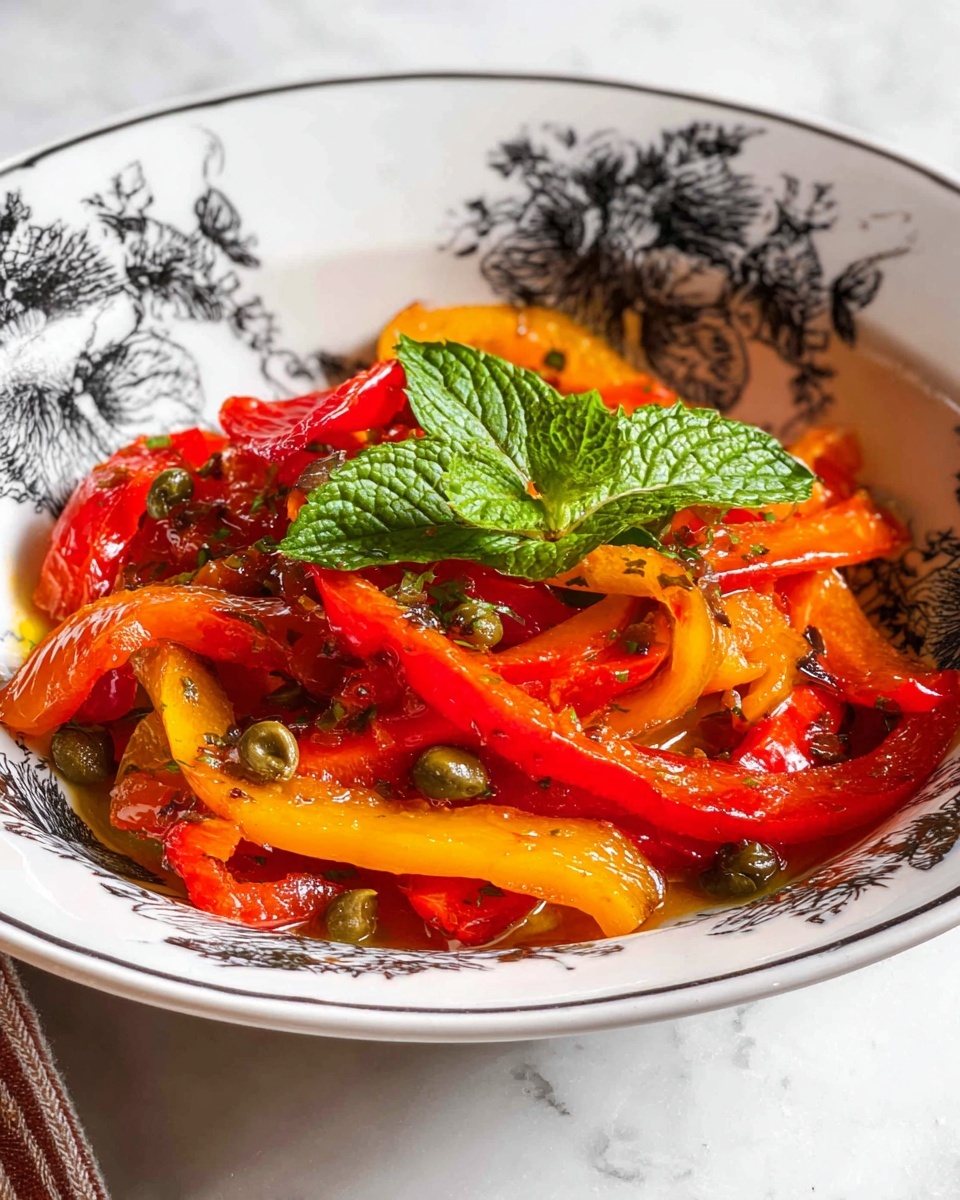
Peperonata is stunning simply garnished with fresh herbs like basil or a few extra capers for a pop of flavor and visual appeal. A light drizzle of extra virgin olive oil just before serving makes the colors glow and adds a silky touch. For a bit of texture contrast, toasted pine nuts or rustic croutons work beautifully.
Side Dishes
This Peperonata Recipe shines as a versatile companion to many meals. Serve it alongside crusty artisan bread to soak up the flavorful juices, or pair it with grilled meats, fish, or roasted chicken. It also complements creamy polenta or simple pasta wonderfully, making it a perfect vegetable side or a light main course for those looking to enjoy a fresh, vegetable-forward meal.
Creative Ways to Present
For an elegant appetizer, spoon peperonata over toasted baguette slices topped with ricotta or goat cheese. It also works as a vibrant topping for bruschetta or a bright, hearty filling for rustic savory tarts and galettes. You can even mix it into grain bowls or warm sandwiches for bursts of summer flavor.
Make Ahead and Storage
Storing Leftovers
Peperonata flavors deepen as it rests, so leftover peperonata stored in an airtight container in the refrigerator for up to 4 days becomes even more delicious. Just be sure to cool it to room temperature before refrigerating to preserve its texture and freshness.
Freezing
If you want to save peperonata for a longer period, it freezes well. Transfer cooled peperonata to freezer-safe containers or heavy-duty freezer bags and store for up to 2 months. Thaw overnight in the fridge before reheating gently on the stove.
Reheating
Reheat peperonata slowly over medium-low heat, stirring occasionally to warm evenly without breaking down the vegetables too much. Adding a splash of water or extra olive oil during reheating can revive its luscious texture and keep it moist and shiny.
FAQs
Can I use other types of peppers for this peperonata recipe?
Absolutely! While sweet bell peppers provide the classic flavor and color, you can experiment with a mix of colors or even add mild chili peppers if you like a bit of spice. Just keep the balance between sweet and tangy to maintain the dish’s signature taste.
Is fennel necessary in peperonata?
Fennel adds a lovely subtle anise note and extra crunch that complements the peppers beautifully, but if you don’t have fennel on hand, you can skip it or substitute with celery for a similar crunch and freshness.
Can peperonata be served cold?
Yes! Peperonata tastes fantastic warm, at room temperature, or even chilled, making it a great option for antipasti platters or as a refreshing side during warmer months.
What is the best way to make tomato sauce for peperonata?
A simple homemade sauce made from crushed ripe tomatoes cooked down with a little garlic and olive oil works wonderfully. Using homemade sauce lets you control the sweetness and acidity, but good-quality store-bought tomato sauce works just as well in a pinch.
How do the fresh herbs affect the final flavor?
The basil and mint add brightness and a refreshing aroma that balances the rich, savory flavors of the cooked vegetables and vinegar. Adding them at the end preserves their vibrant, fresh character, elevating the entire dish.
Final Thoughts
This Peperonata Recipe is truly one of those dishes that feels like a warm hug from the sunny Mediterranean. Its mix of tender, sweet vegetables, tangy tomato sauce, and fresh herbs creates layers of flavor that are simply irresistible. Give it a try and enjoy how this simple, rustic dish can effortlessly brighten up any meal and become a new favorite in your cooking repertoire!
Print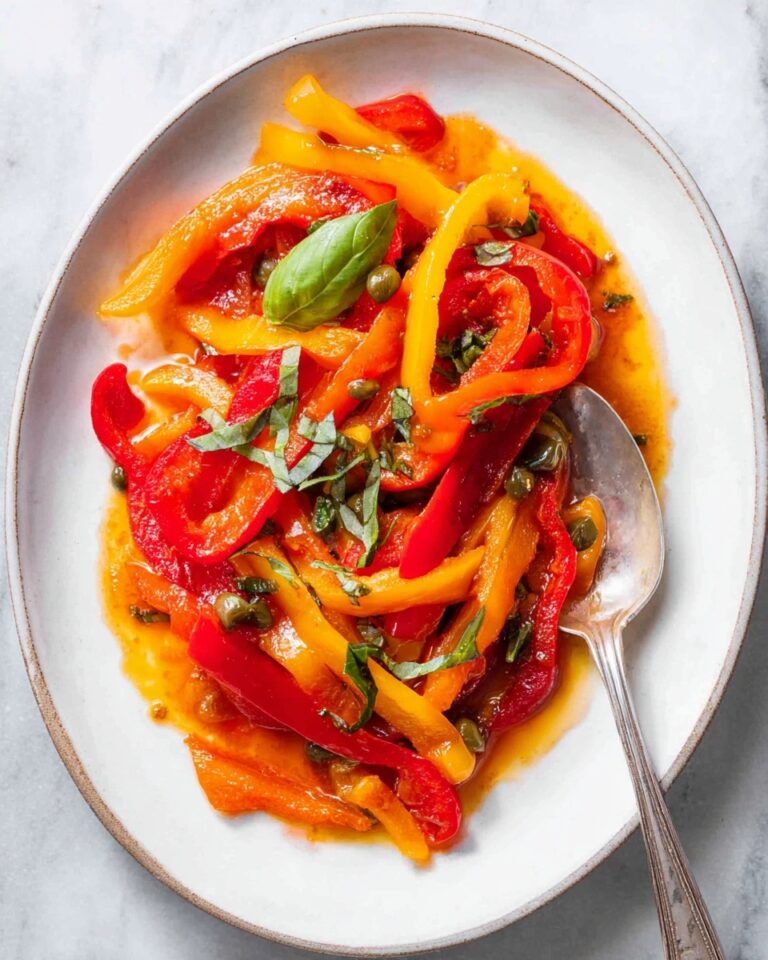
Peperonata Recipe
Peperonata is a vibrant and flavorful Italian vegetable stew made primarily with sweet bell peppers, fennel, and onions, gently sautéed and simmered with tomato sauce, capers, and fresh herbs. This dish highlights the natural sweetness of ripe peppers enhanced by a touch of balsamic vinegar and aromatic basil and mint, making it a perfect side dish or a topping for bread or grilled meats.
- Total Time: 45 minutes
- Yield: 6 servings
Ingredients
Vegetables and Aromatics
- 1 medium yellow onion, thinly sliced
- 1 fennel bulb, quartered and thinly sliced
- 2 pounds sweet ripe bell peppers (about 6), thinly sliced (red or a mix of red, yellow, and orange)
- 2 garlic cloves, lightly crushed and peeled
Liquids and Oils
- ¼ cup extra virgin olive oil, plus more for drizzling
- 1 cup tomato sauce (preferably homemade)
- 2 tablespoons balsamic vinegar (or white balsamic vinegar)
Seasonings and Garnishes
- Kosher salt, to taste (about 1 teaspoon initially)
- 1 tablespoon capers, rinsed and patted dry
- ¼ cup torn fresh basil and mint leaves
Instructions
- Gently cook the vegetables: Pour the olive oil into a large skillet or heavy-bottomed sauté pan and heat over medium. Add the sliced onion, fennel, bell peppers, and lightly crushed garlic cloves. Stir well to coat the vegetables evenly with oil. Sauté for about 10 minutes, stirring frequently to prevent burning. Season with 1 teaspoon kosher salt and partially cover the pan. Continue cooking for another 10 to 15 minutes, stirring frequently, until the vegetables have softened but still retain some firmness.
- Add the tomatoes and capers: Stir in the tomato sauce and sprinkle in the rinsed capers. Cook uncovered for approximately 10 minutes, allowing the sauce to reduce and the vegetables to become tender, glossy, and well-coated with the sauce.
- Finish and garnish: Increase the heat to medium-high and stir in the balsamic vinegar. Let the mixture simmer vigorously for about 1 minute. Reduce the heat to medium-low and cook for another couple of minutes. Taste and adjust the seasoning with more salt if necessary. Remove from the heat and stir in the torn fresh basil and mint leaves. Let the peperonata sit for about 10 minutes to allow flavors to meld. Discard the garlic cloves and finish with a drizzle of olive oil before serving.
Notes
- You can use a variety of colored bell peppers for a more vibrant dish.
- Homemade tomato sauce adds depth, but good quality store-bought sauce can be used.
- The dish can be served warm, at room temperature, or chilled.
- Peperonata pairs beautifully with grilled meats, crusty bread, or as a topping on crostini.
- If you prefer a smoother texture, you can blend the peperonata slightly before serving.
- Prep Time: 15 minutes
- Cook Time: 30 minutes
- Category: Side Dish
- Method: Stovetop
- Cuisine: Italian
- Diet: Vegetarian


Leave a Reply